MUSA: Two Origins, One Shared Vision
The name MUSA refers to Musa textilis, the plant from which abaca fiber is derived, and captures the essence of the project: starting with the raw material to explore new perspectives in the world of denim.
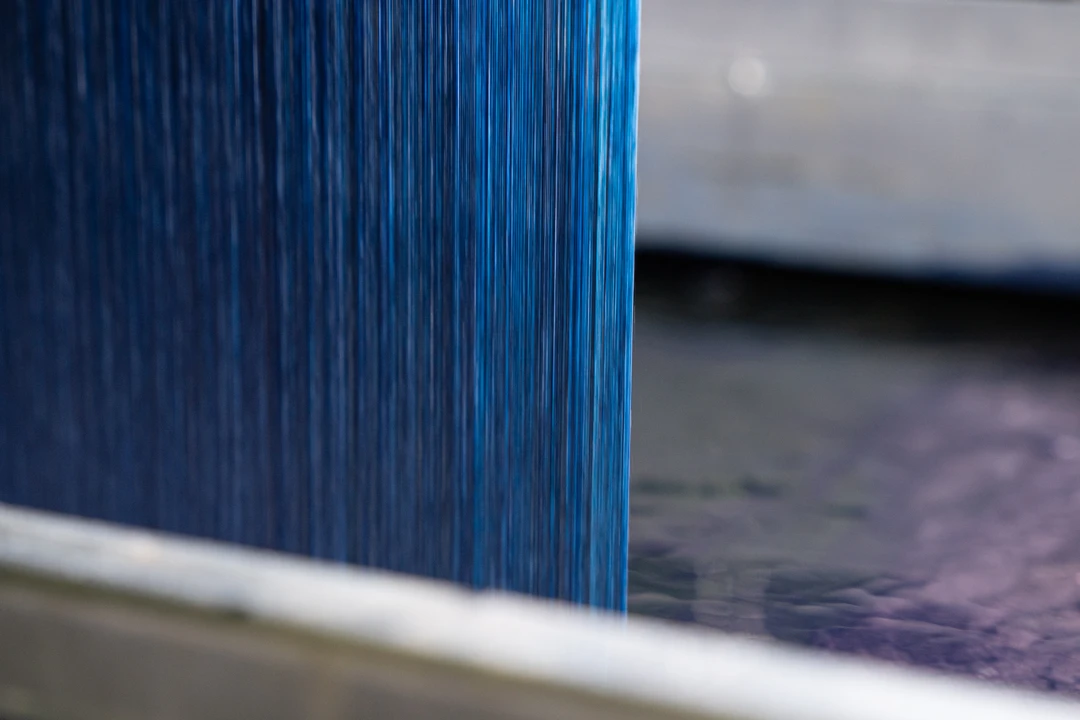
At the heart of the collection lies a shared vision that combines innovation in materials with manufacturing excellence. Bananatex® brings its expertise in a natural fiber sourced from regenerative farming systems, while Berto Industria Tessile contributes over 135 years of experience in design, indigo dyeing, weaving, and the development of denim fabrics for markets around the world.
The combination of these areas of expertise gave rise to a joint research project that encompassed every stage of development: from the study of the yarn to its integration with organic cotton, and on to the definition of weaves, weights, color renditions, and finishes capable of highlighting its characteristics.
Rather than simply adapting a new fiber to denim, MUSA reinterprets the material through an original construction, in which every design choice helps to enhance its personality, visual depth, and textural quality.
The collection thus emerges from the balance between nature and craftsmanship, experimentation and tradition, textile innovation and denim culture. It is an ongoing dialogue that transforms a natural fiber into a material designed to offer new creative opportunities to brands and designers.
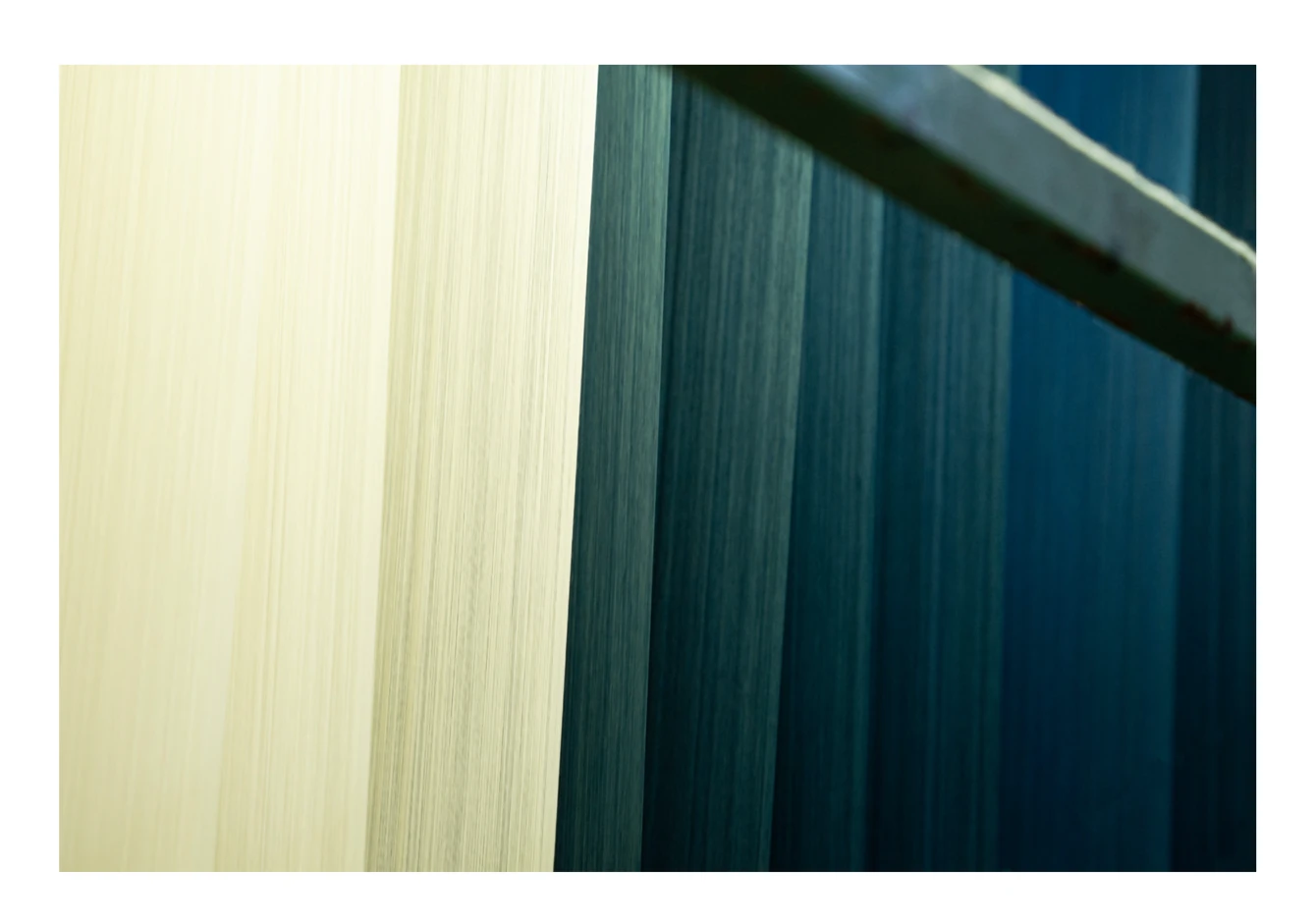
From banana fiber to abaca: the origins of Bananatex®
The term“banana fiber” is commonly used to describe Bananatex® because it immediately conveys its botanical origin. From a textile standpoint, however, the material is derived from a fiber obtained from Musa textilis, a species also known as Manila hemp.
Cultivated in the Philippines for generations, it has been used for over a century in applications requiring strength, lightness, and durability. Today, for the first time, that same fiber is making its way into the world of denim thanks to the development work of Berto Industria Tessile.
Although it belongs to the Musaceae family, this plant fiber has properties that are very different from those of other species commonly associated with bananas. Its fibrous structure offers superior mechanical performance, which is why it was chosen as the basis for the development of Bananatex®.
With MUSA, Berto Industria Tessile is exploring the potential of this fiber in denim for the first time, transforming it into a collection that combines material innovation, manufacturing expertise, and the “Made in Italy” tradition.
What is abacá, and why is it called banana fiber?
This plant belongs to the same botanical genus as the banana, but it is grown primarily for its fibers.
During processing, the leaf sheaths are separated and processed to produce long, strong filaments. These are then spun into yarn and used to produce textiles.
Its strength has historically made it ideal for technical and industrial applications. Today, its properties are also being explored in fashion, accessories, and the development of innovative fabrics.
The properties that make the fiber derived from Musa textilis unique
The characteristics of this plant-based fiber have guided the development of MUSA, offering a combination of technical performance and natural qualities that expands the range of applications for denim.
Among the fiber’s main properties are:
- high tensile and tear strength;
- a naturally porous and breathable structure;
- quick-drying;
- UV resistance;
- antibacterial properties;
- natural resistance to odors;
- high surface stability with minimal pilling;
- long-lasting;
- biodegradability;
- industrial compostability.
According to Bananatex®’s technical documentation, the material also meets the requirements of the EN 13432 and ISO 14851 standards regarding biodegradability and industrial compostability.
Why did Berto choose Bananatex®?
Every new fiber represents an opportunity to expand the expressive possibilities of denim. Its value shines through when its characteristics are interpreted through design expertise, production processes, and manufacturing culture.
It is from this vision that the collaboration between Berto Industria Tessile and Bananatex® was born. The properties of Manila hemp have opened up a new field of experimentation, offering Berto’s technicians the opportunity to develop fabrics that highlight its structure, strength, and material character.
Transforming this fiber into authentic denim required a development process that encompassed every stage of the design: from selecting blends with organic cotton to defining the weaves, from indigo dyeing to the fabric’s response to washing and finishing.
Every decision was guided by the goal of preserving the character of Berto denim, while maintaining its color depth, weave quality, comfort, and durability.
The result is a collection that expands the language of denim through a new interpretation of the material, reaffirming Berto’s role as a research and development partner for Italian and international brands.
MUSA: A New Take on Denim
Every evolution in denim stems from the interplay between material, technique, and design vision. With MUSA, Berto Industria Tessile expands this design language through a collection that introduces the ibra fiber—derived from *Musa textilis*—in fabrics developed for the premium and luxury fashion sectors.
The six pieces in the collection interpret the material in different ways, combining organic cotton and abaca in weights, compositions, and textures designed to offer diverse aesthetic and tactile experiences.
The depth of the indigo, the quality of the weave, and the way the fabric evolves through washing and finishing processes interact with the fiber’s characteristics, giving rise to surfaces rich in character and personality.
MUSA thus embodies a new vision of contemporary denim: a collection in which material research, manufacturing expertise, and textile culture come together in a balance that expands the creative possibilities for brands.
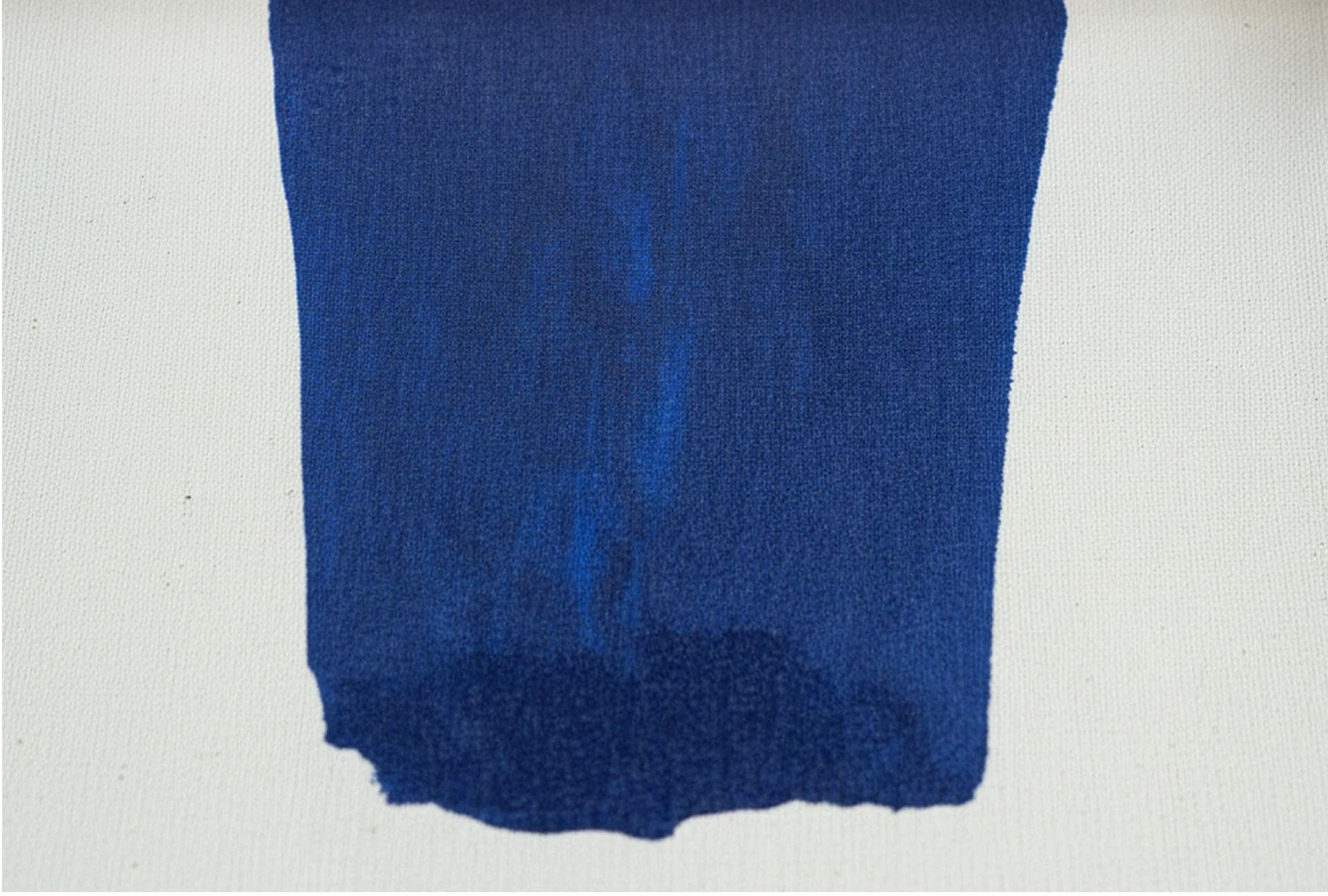
A collection designed for those who are shaping the future of denim
Every collection begins with a choice of materials. MUSA was developed to support brands that view fabric as a design tool and a distinctive element of product identity.
The various styles allow for a wide range of interpretations of denim: jeans, shirts, overshirts, outerwear, and contemporary takes on workwear, giving designers, product developers, and design teams the freedom to create collections that are consistent with their own creative vision.
The variety of weights, compositions, and finishes makes MUSA an ideal development platform for capsule collections, special editions, and collaborations focused on exploring new materials.
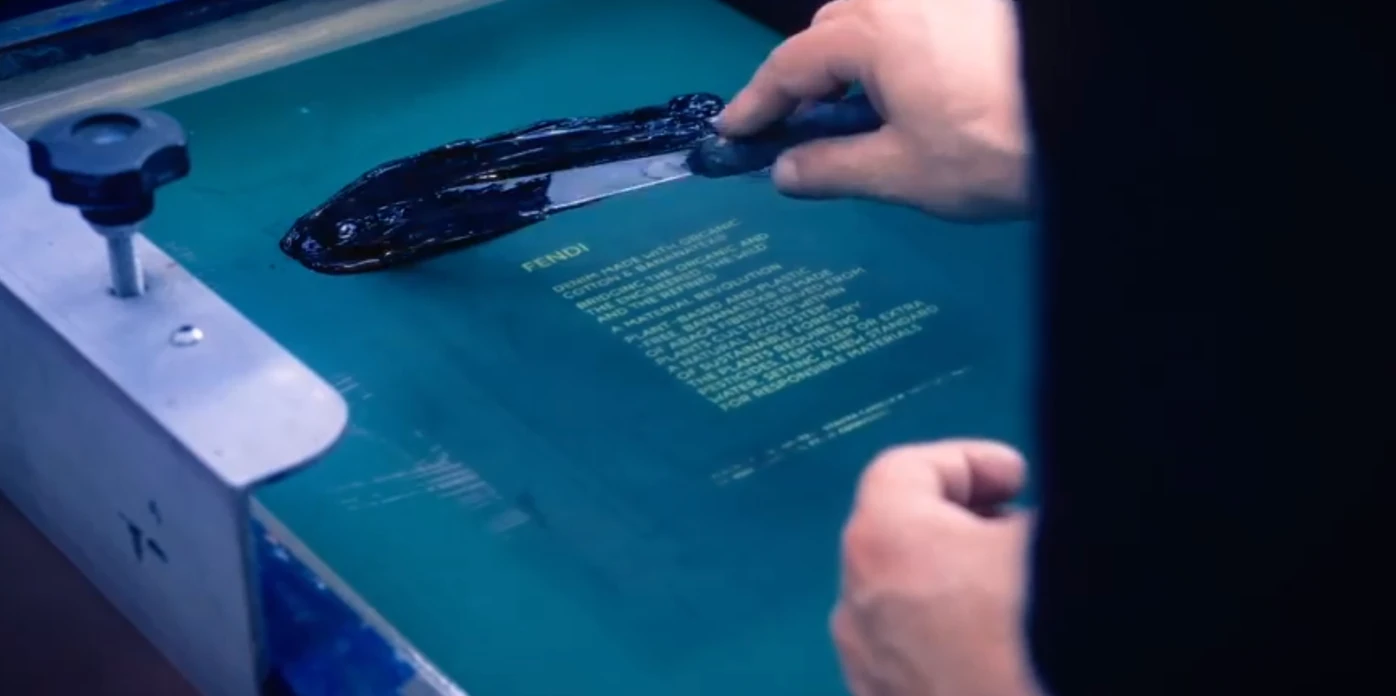
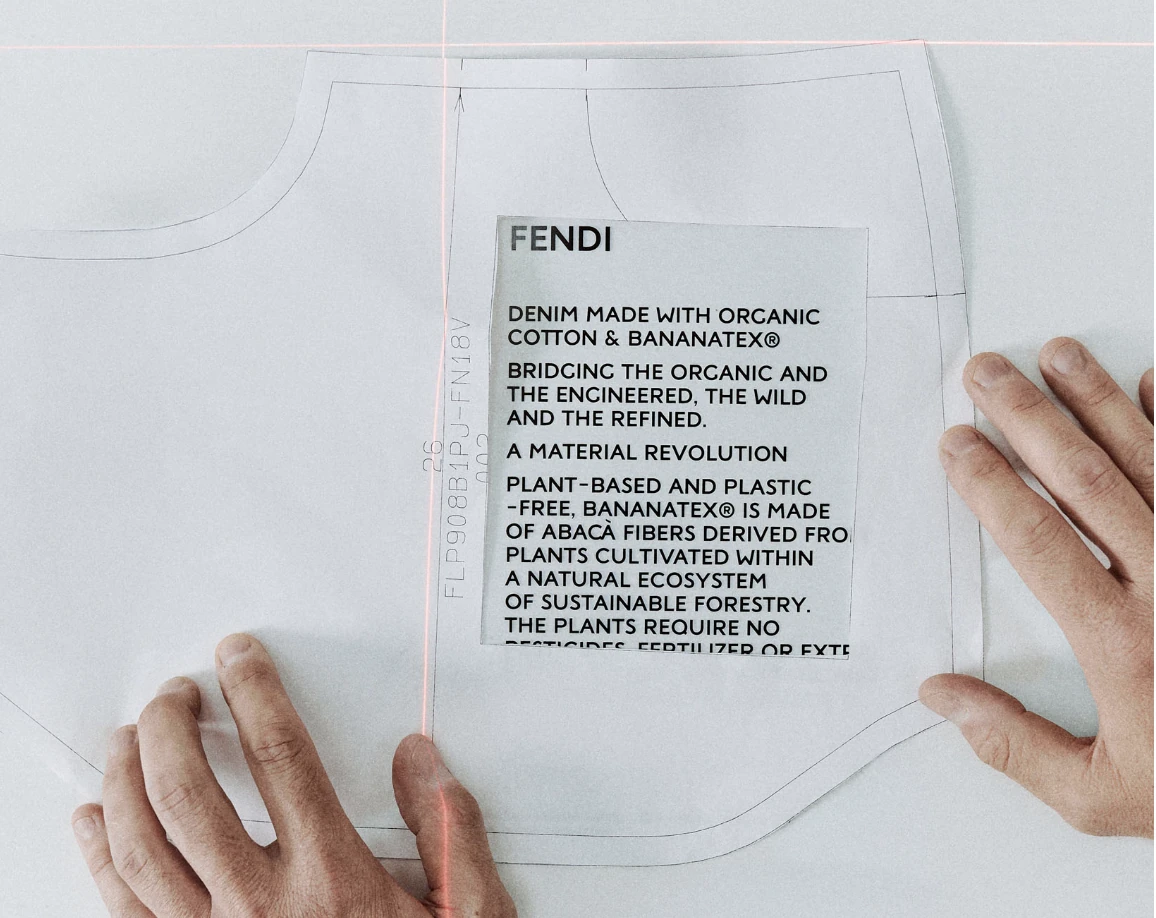
The value of this development path is clearly demonstrated in FENDI’s Fall/Winter 2026-27 collection, which features garments made from a denim developed by Berto Industria Tessile in collaboration with Bananatex®, composed of organic cotton and abaca fibers. This choice demonstrates how materials research can lead to solutions capable of meeting the high quality, technical, and aesthetic standards demanded by the luxury sector.
For Berto, MUSA reaffirms a commitment that has defined the company for over a century: developing new expressions of denim through manufacturing expertise, experimentation, and ongoing dialogue with international brands.
Bananatex and cotton: What are the differences?
Within the MUSA collection, organic cotton and abaca fiber play complementary roles. Their combination highlights the specific qualities of both raw materials, striking a balance between the authenticity of denim, comfort, and the performance of natural fibers.
| Feature | Cotton | Abacá Bananatex® |
|---|---|---|
| Origin | Cotton Plant | Musa textilis |
| Use in Denim | Traditional fiber | Innovative fiber |
| Structure | Soft and versatile | Long-lasting and durable |
| Breathability | Good | High, thanks to its porous structure |
| Strength | Varies depending on yarn and construction | High tenacity |
| Farming in the MUSA Project | Organic Cotton | Regenerative Systems |
| Role in the Collection | Comfort and Authenticity | Performance and material innovation |
The combination of the two fibers expands the design possibilities of the collection, while maintaining the denim aesthetic and introducing new textural qualities.
Discover MUSA by Berto × Bananatex®
MUSA is the result of the combination of abaca fiber, organic cotton, and over 135 years of Italian manufacturing heritage. A collection developed to offer brands new possibilities in contemporary denim design, while keeping quality, authenticity, and material research at the forefront.
Each item embodies this vision through different constructions, weights, and finishes, offering solutions tailored to the development of premium and luxury collections.
Contact the Berto Industria Tessile team to discover the MUSA collection, learn more about the fabrics’ characteristics, and find the solution best suited to your next project.
Frequently Asked Questions About Bananatex®, MUSA, and Banana-Fiber Denim
What is Bananatex®?
Bananatex® is a textile material developed from abaca fibers, a plant belonging to the banana family. The fiber is grown in the Philippines using regenerative farming systems and is valued for its strength, breathability, and durability.
Is there a Bananatex® denim?
Yes. Berto Industria Tessile has developed the MUSA collection in collaboration with Bananatex®, which combines abaca fiber and organic cotton in various denim weaves.
Who manufactures denim using Bananatex®?
Berto Industria Tessile develops denim using Bananatex® fiber through the MUSA project, a Made in Italy collection designed for international brands and designers.
What is MUSA?
MUSA is a research project developed by Berto Industria Tessile and Bananatex®. It includes six denim fabrics made from organic cotton and containing between 36% and 45% abaca fiber.
How much abaca fiber is in MUSA denim?
The percentage varies depending on the item. The fabrics in the collection contain between 36% and 45% Bananatex®.
Which MUSA fabric contains the most Bananatex®?
ALTERA 8 BTX OCS contains 45% Bananatex®, the highest percentage in the collection.
Is MUSA denim made in Italy?
The design, indigo dyeing, weaving, finishing, and development of the fabrics are carried out by Berto Industria Tessile in Italy, drawing on “Made in Italy” manufacturing expertise.
Is Bananatex® biodegradable?
The project documentation describes Bananatex® as biodegradable and industrially compostable in accordance with the EN 13432 and ISO 14851 standards. However, the assessment of the finished product—and therefore MUSA fabrics—must take into account the entire composition, including dyes, accessories, and any treatments applied.
What types of clothing can MUSA denim be used for?
The different fabric weights make it possible to create jeans, shirts, overshirts, pants, contemporary workwear, and outerwear. The intended use depends on the selected construction and the brand’s design concept.
Where can I find Bananatex® denim fabrics?
Interested brands and designers can contact Berto Industria Tessile to learn more about the MUSA collection, check the availability of items, and explore development opportunities.